
Home What is Mediation Services Process Leadership
The MeDiation House
A Gallery of Mediation Services
The Mediation House is a global practice group of curated experts who is leading the charge in the mediation evolution by adding unrivaled value and spearheading innovative ways of working with clients to get them to agreement.
What is Mediation?
Mediation is a private and confidential process where an impartial and neutral third party, known as a mediator, facilitates individuals in conflict to respect one another’s view points, discuss fairly and calmly, and work towards crafting solutions to resolve disputes. Agreement is reached when the disputants come to a satisfactory and acceptable decision.
What is Mediation?
What is the Role of the Disputant?
The role of a disputant in mediation is to actively participate, communicate core interests and needs, and retain ultimate decision-making power to forge a voluntary solution. Unlike a court trial where a judge decides the outcome, the disputant drives the negotiation and owns the final agreement.
What is the Process of Mediation?
The mediator meets with each disputant, individually, to learn about the dispute, understand areas of importance, and prepare for an amicable mediation.
Disputants then come together to identify concerns and discuss possible solutions. Each disputant may have a lawyer in attendance in a mediation, but only if there is an agreement by all; it is the disputants, however, who will be working towards finding solutions, not the lawyers.
A mediator guides the disputants to list all concerns; analyze each, one by one; find solutions they each can agree on; evaluate decisions made; and finalize an agreement. Once a verbal agreement is formed, a written agreement is signed. An agreement may also be filed with the court.
Where do We Mediate?
All mediations are held in a conference room for privacy, and only the disputants and mediators are in attendance. Conference room availability includes a choice between a physical location or a private, secure online platform. There are distinct advantages to both: In-person mediation provides strong, non-verbal cues, deeper human connection, and a focused, neutral environment. Online mediation offers unmatched convenience, zero travel costs, flexible scheduling, and a more relaxed setting that can reduce anxiety for participants.
What is the Role of a Mediator?
The mediator's role is that of neutral intermediary. A mediator actively listens; empowers each party to focus on problem-solving to influence a positive outcome; and facilitates a dialogue where each acquires the skills necessary to achieve a self-directed resolution.
What is Necessary for Mediation?
Mediation is voluntary. To have an agreement that is acceptable to all, there must be a willingness by all disputants to mediate.
Why Mediate?
The concept is most effective for disputants who wish to have a greater hand in resolving their own conflicts.
The benefits of mediation include:
Mediation is a faster, cheaper, and more private alternative to the courtroom.
In mediation, a neutral person helps both sides come to an agreement, allowing for a less stressful environment and process.
Unlike a judge who forces a final decision, all parties decide the final terms together, allowing for greater control and personal empowerment in finding answers..
And … The success rate is high.
What Mediation is NOT:
Mediation is not about a mediator making decisions for two individuals. And a mediator is not an advocate or an advisor for any disputing party. The Mediation House is not a group of attorneys.
To end a “NOT” on a more superlative note:
Mediation IS a powerful place where disputants focus, do most of the talking, and most of the work, leading to a more acceptable outcome, if all disputants are willing. Mediation is a satisfying and more respectful alternative to the battle in the courtroom..
Services
Until we’ve agreed on everything, we’ve agreed on nothing
The Mediation House gallery of services includes mediation of conflicts in the following areas (Click on each to find out more):
Process
Step 01
Pre-Mediation 1:1
The pre-mediation 1:1 meeting is a private, confidential session held between the mediator and each party, separately, before the joint session.
Purpose and Goal
Build rapport and trust with each participant;
Listen to each participant’s side of the story;
Explain the mediation process and rules;
Discuss basic communication principles;
Goal setting; and
Strategy planning and preparation for the joint discussion.
Step 02
The Mediation
Opening statement: The mediator sets ground rules, explains confidentiality, and lets everyone know the process is voluntary.
Story sharing: Each person shares their side of the story and expresses what they need without being interrupted.
Joint discussion: The mediator helps both sides focus on real issues and underlying needs instead of angry demands.
Private caucuses: The mediator may meet with each side separately in private rooms to explore hidden options and realistic compromises.
Step 03
The Agreement
Congratulations!
You’ve earned the right to an agreement.
Once terms are negotiated, the mediator drafts a settlement, all sides review and sign it, and it is filed with the court, if necessary to close the case. Having a lawyer review or redraft the final paperwork is strongly advised to ensure the terms meet local court standards for filing the document.
Darkness might begin a day, but light is sure to follow.
The Mediation House wants to be a big part of getting you there. Let’s agree to work on agreement.
Mediation sessions can be in-person or virtual.l.
The Mediation House can accommodate both.
Leadership
Sherrie LeuVay
Founder of The Mediation House

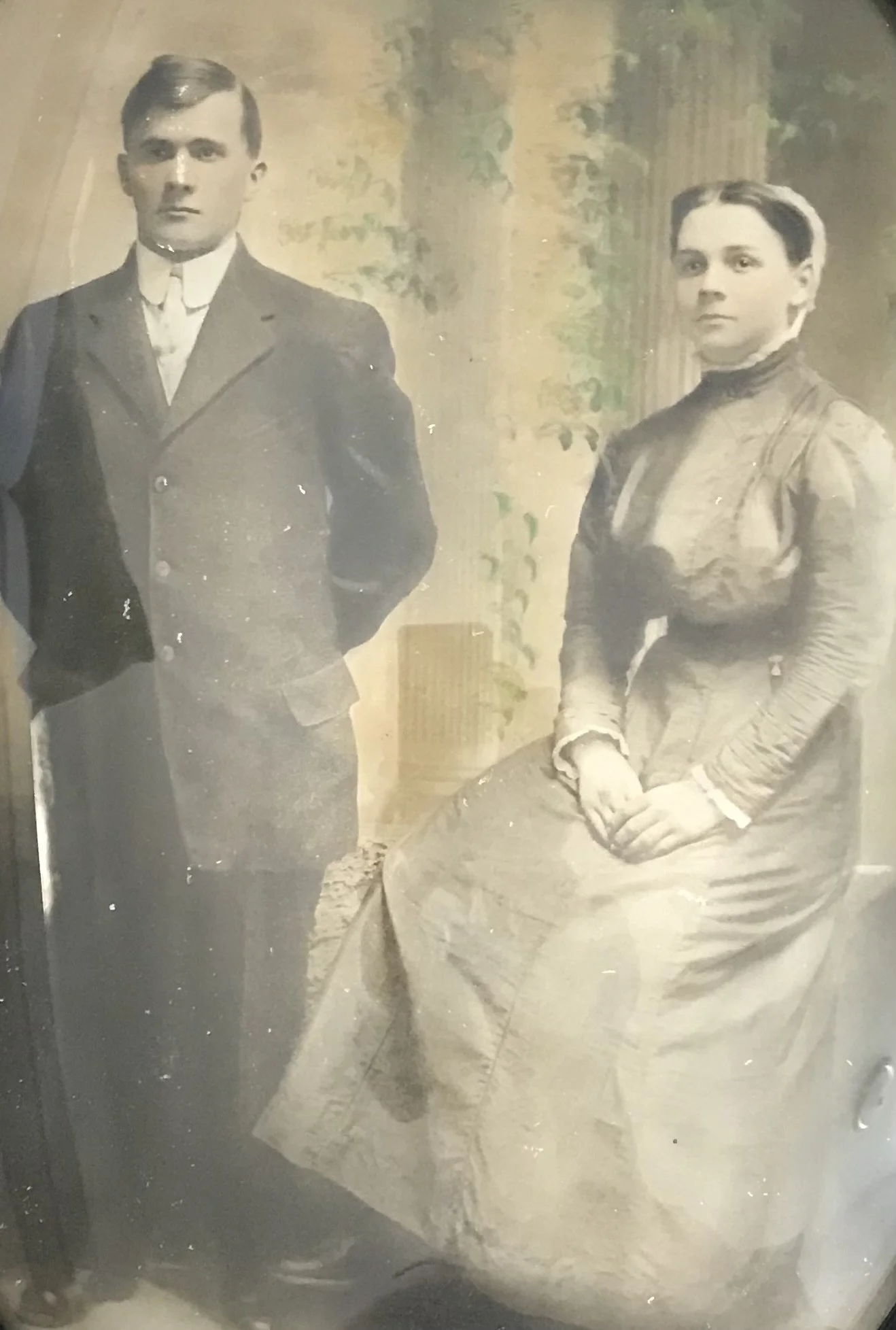
As a fifth-generation Lancaster Countian and an English resident of the Amish village in the Southern end, Sherrie is personally invested in the care of the quiet harmony she loves. Her great grandfather built a working tobacco farm on 75 acres of land and made it productive with his own work ethic, rightfully earning his two calloused hands.
Sherrie has watched the construction of many barns built by a community of Amish farmers, all in a single day. It is well to say she believes in the building process, and the labor it entails. If a group of 100 Amish men and women can come together to build a structure, a group with far fewer can build, too. And life is worthy of the diligence behind the continual building of it, even if it is in the “rebuild” stage.
The Mediation House is a global practice group of curated experts who are leading the charge in the mediation evolution by aiming to add unrivaled value and spearhead innovative ways of working with clients to get them to agreement. Sherrie and her team of professionals are positioned as invaluable leaders in the evolution of mediation as a viable solution.
How May We Help?
Please submit your questions or comments via the form or email address, below, and we’ll respond within 24 hours. You may also consult our Frequently Asked Questions (FAQ) section here.
Sherrie.LeuVay@TheMediationHouse.org
(717) 598-5065